

- Introduction: The importance of a trencher
- What is a trencher?
- Definition and function
- Types trenchers
- Application areas of the trencher
- Construction
- Landscaping
- Agriculture
- Advantages of a trencher
- Increased efficiency
- Time and cost savings
- Precision and accuracy
- Important functions and features of a trencher
- Performance and capacity
- Size and weight
- Ease of use
- How do you choose the right trencher?
- Consider project requirements
- Budget and cost factors
- Quality and reliability
- Tips for the effective use of a trencher
- Safety precautions
- Maintenance and care
- Training and training requirements
- Frequently asked questions (FAQs)
- How does a trencher work?
- What safety measures must be observed when operating a trencher?
- How does a trencher differ from an excavator?
- Can a trencher be used for different types of soil?
- Are trenchers available for home use?
Introduction: The importance of a trencher
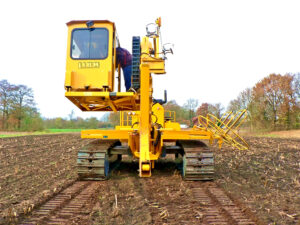
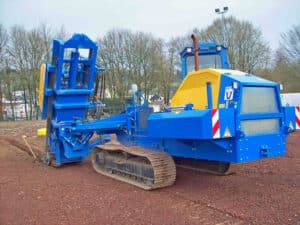
The modern construction industry requires advanced machinery and equipment in order to work efficiently and cost-effectively. One such important piece of equipment is the trencher. This machine plays a crucial role in the creation of trenches for various purposes such as laying pipes, cables or for drainage. In this article, we will take a closer look at the importance, functionality, areas of application and selection criteria of a trencher.
What is a trencher?
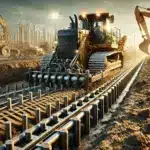
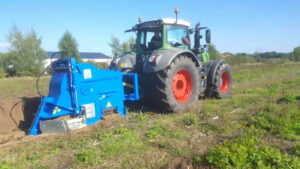
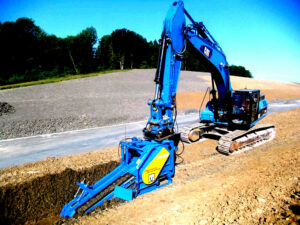
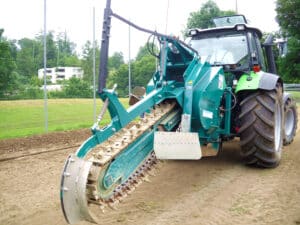
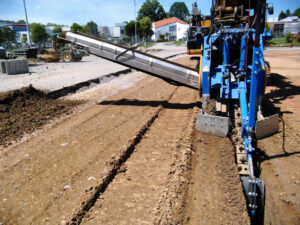
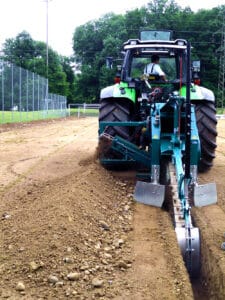
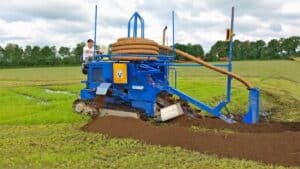
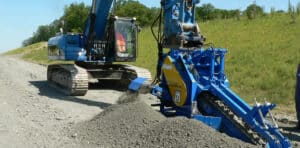
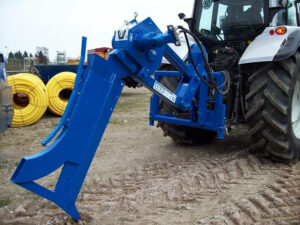
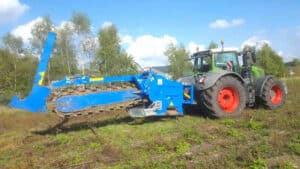
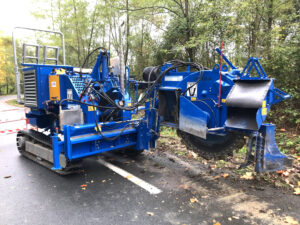
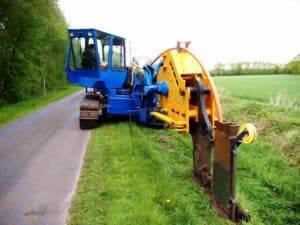
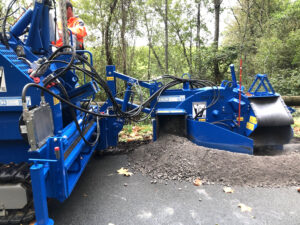
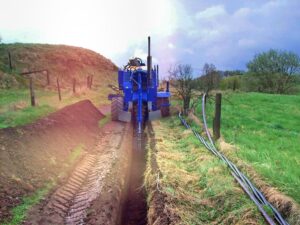
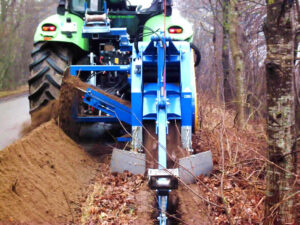
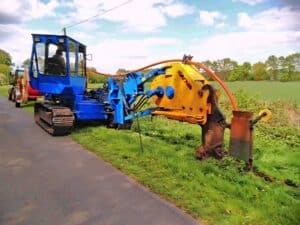
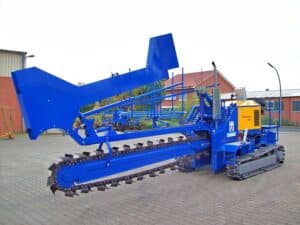
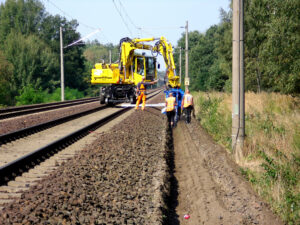
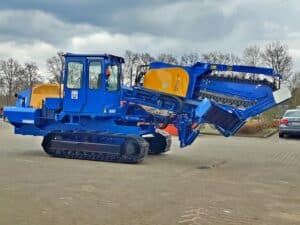
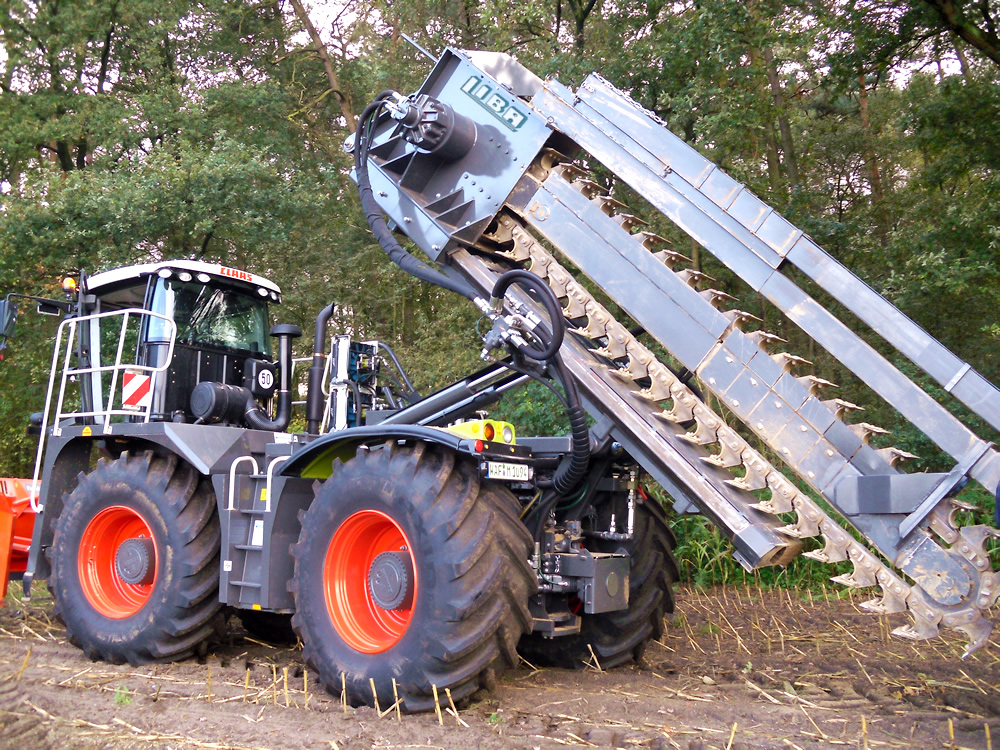
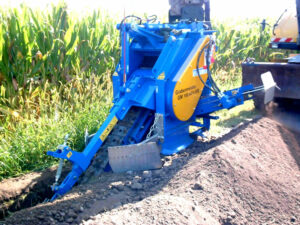
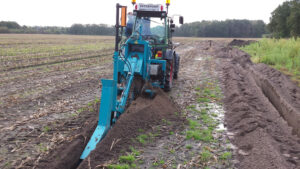
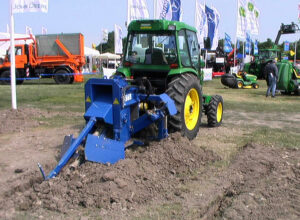
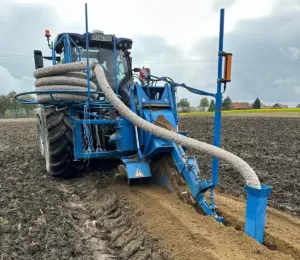
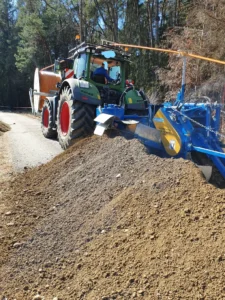
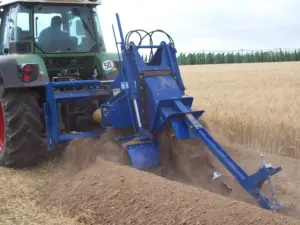
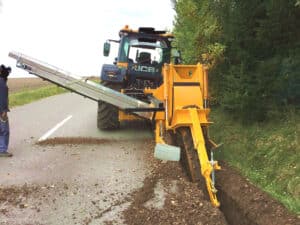
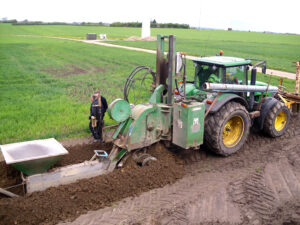
A trencher is a mechanical device that is mainly used in the construction and landscaping industry. It is used to cut trenches in the ground to create space for laying pipes, cables or for other purposes. These machines are available in various sizes and designs to meet the requirements of different projects.
Definition and function
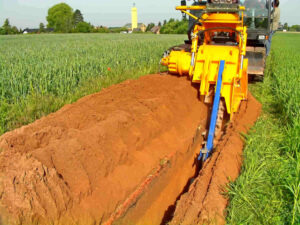
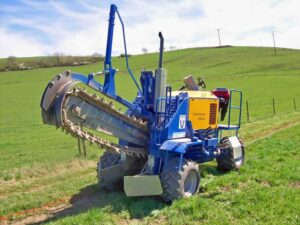
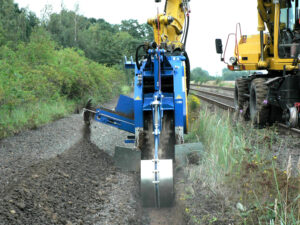
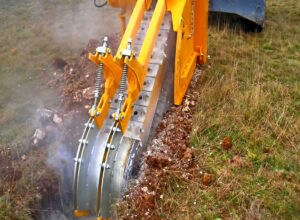
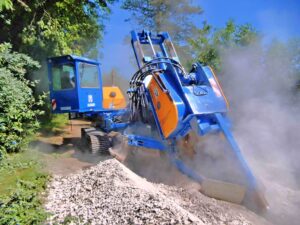
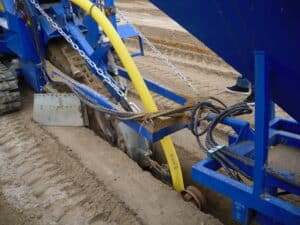
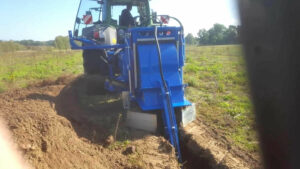
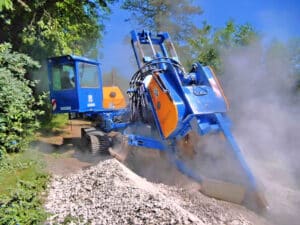
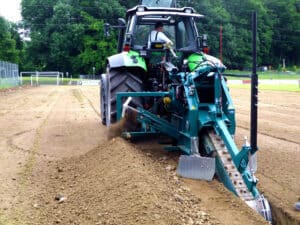
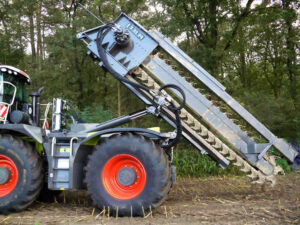
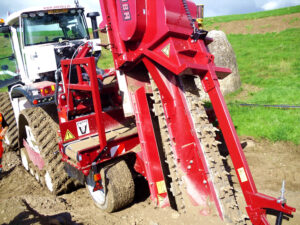
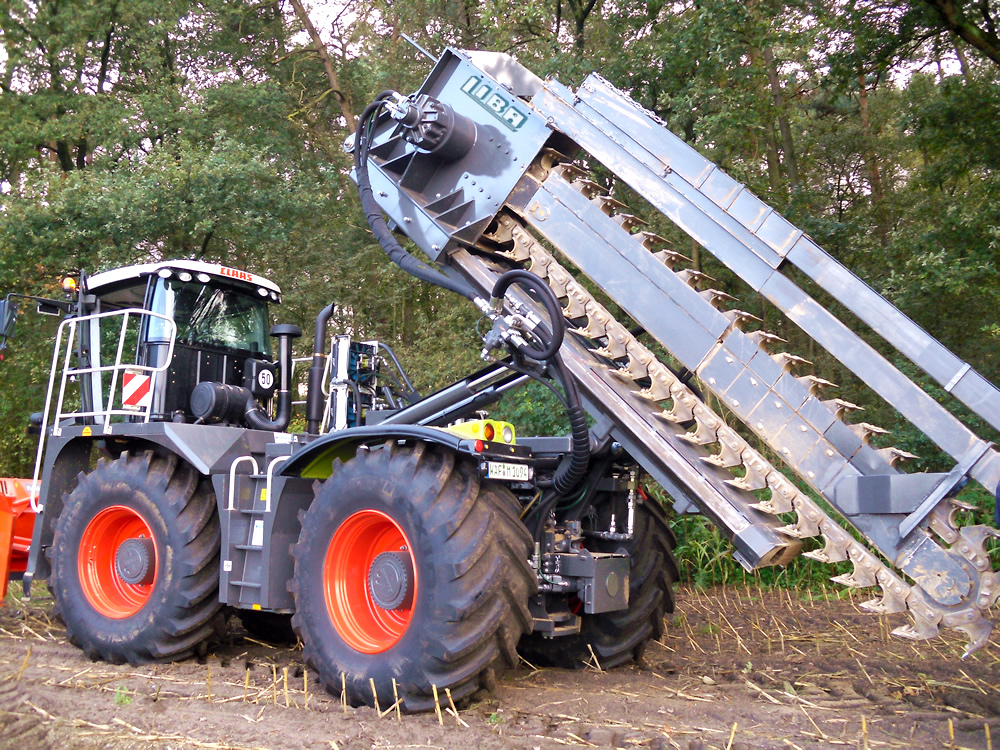
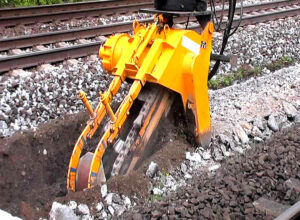
A trencher works by turning a sharp cutter head that penetrates and excavates the soil as it moves forward. This makes it possible to create trenches of precise width and depth, which is essential for the installation of supply lines or for drainage purposes.
Types trenchers
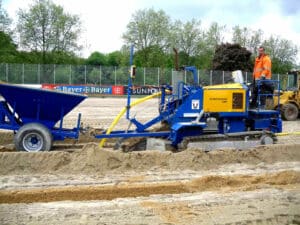
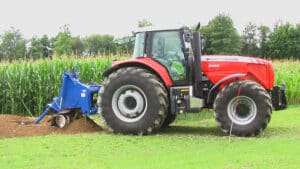
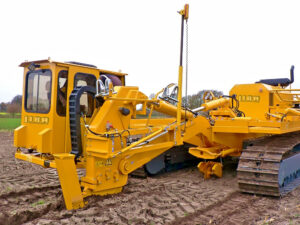
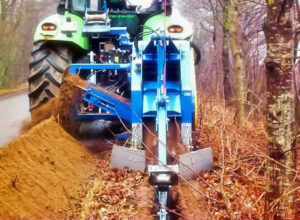
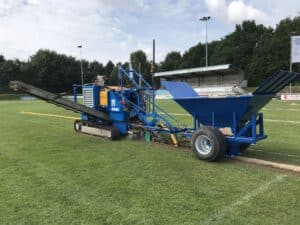
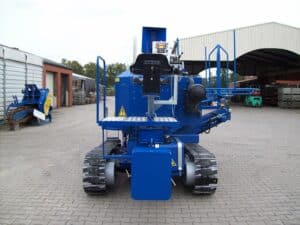
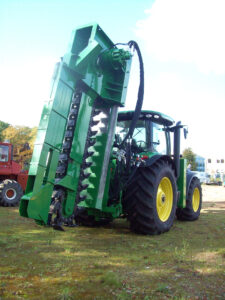
There are different types of trenchers, including mini trenchers for smaller projects and heavy-duty trenchers for larger construction sites. The choice of the right type depends on the specific requirements of the project.
Application areas of the trencher
The trencher is used in various industries and applications, including:
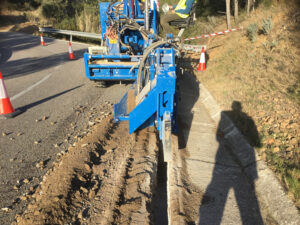
- Construction industry: For laying supply lines such as water pipes, power cables or telecommunication cables.
- Landscaping: For digging trenches for irrigation systems or for creating drainage.
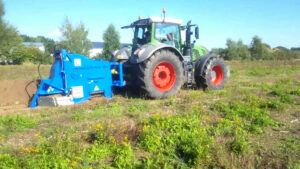
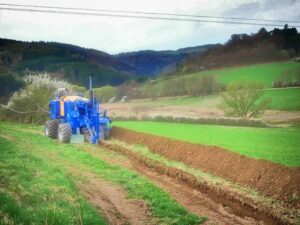
- Agriculture: For creating drainage ditches or preparing fields for sowing.
Advantages of a trencher
There are a number of advantages to using a trencher, including:
- Increased efficiency: It makes it possible to create trenches quickly and precisely, which reduces working time.
- Time and cost savings: Compared to manual excavation work, the use of a trencher saves time and reduces labor costs.
- Precision and accuracy: The machine creates trenches with precisely defined dimensions, which is important for the installation of supply lines or other purposes.
Important functions and features of a trencher
Before selecting a trencher, you should consider the following functions and features:
- Performance and capacity: The performance of the machine should meet the requirements of the project.
- Size and weight: Depending on the type of project, a compact or heavier trencher may be required.
- Ease of operation: User-friendly operation makes it easier to use the machine on the construction site.
How do you choose the right trencher?
Choosing the right trencher depends on various factors, including:
- Consider project requirements: The size and depth of the trenches as well as the type of soil should be considered when making the selection.
- Budget and cost factors: The cost of purchasing or renting the machine should be included in the project budget.
- Quality and reliability: It is important to choose a high-quality and reliable trencher to ensure smooth operation.
Tips for the effective use of a trencher
To use the trencher safely and effectively, the following tips should be observed:
- Safety precautions: Always wear the required
The following safety equipment such as helmets, safety goggles and hearing protection. Ensure that there are no people near the work surface while the machine is in operation.
- Maintenance and care: Carry out regular maintenance work in accordance with the manufacturer’s instructions to ensure optimum performance of the trencher. Clean the machine after use and check the oil and fuel levels regularly.
- Training and training requirements: Ensure that all persons operating the trencher have the necessary training and knowledge to use the machine safely and effectively. If necessary, offer training courses or assign trained personnel.
Frequently asked questions (FAQs)
How does a trencher work?
A trencher works by turning a sharp cutting head that penetrates and excavates the soil as it moves forward. This makes it possible to create trenches of precise width and depth.
What safety measures must be observed when operating a trencher?
When operating a trencher, various safety measures should be observed, including wearing protective equipment such as a helmet, safety goggles and hearing protection, as well as ensuring that no persons are in the vicinity of the work area.
How does a trencher differ from an excavator?
A trencher is specifically designed to cut trenches in the ground, while an excavator can perform a wider range of tasks, including digging trenches, moving materials and lifting loads.
Can a trencher be used for different types of soil?
Yes, a trencher can generally be used for different types of soil, including sand, clay, gravel and silt. However, the performance of the machine can vary depending on the soil conditions.
Are trenchers available for home use?
Yes, there are trenchers that are specifically designed for home use and are suitable for smaller projects such as landscaping, irrigation systems or drainage work.
Conclusion
The trencher is an indispensable machine in the construction industry, enabling trenches to be created quickly, precisely and cost-effectively. By choosing the right trencher, adhering to safety measures and regular maintenance, contractors and landscapers can increase their efficiency and achieve high-quality results.
If you would like more information, prices and areas of application for a trencher, please contact us by telephone on 0591-76 314. We look forward to hearing from you!