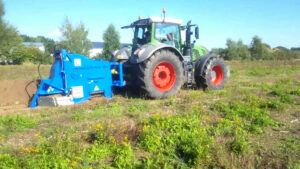
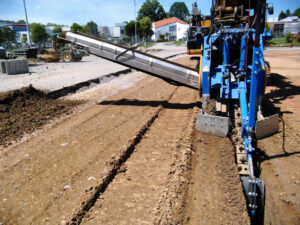
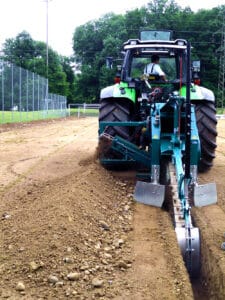
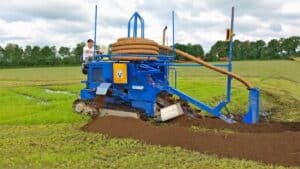
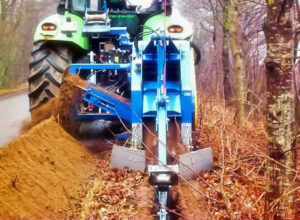
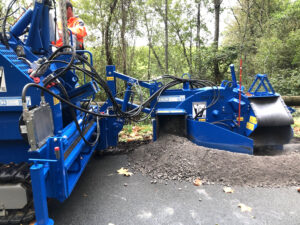
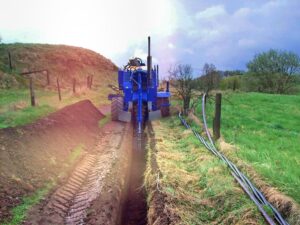
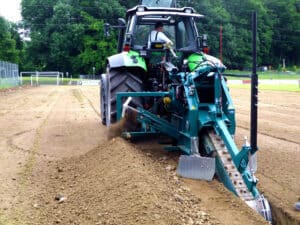
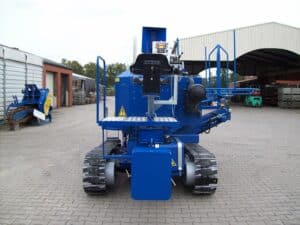
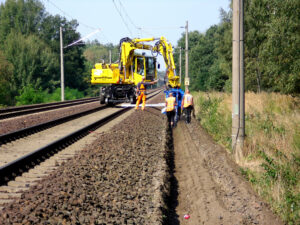
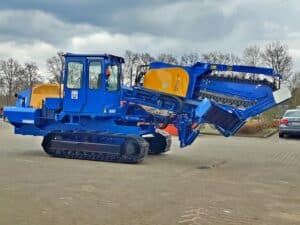
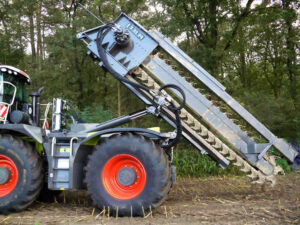
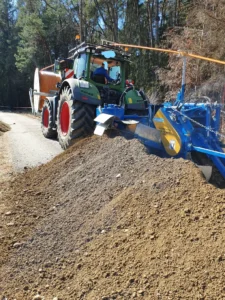
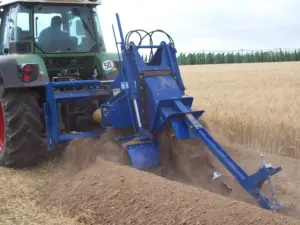
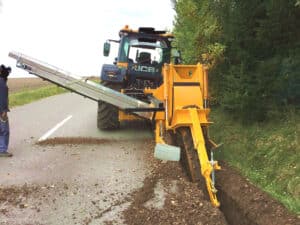
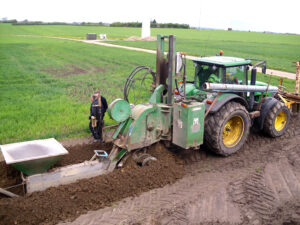
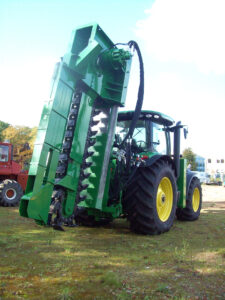
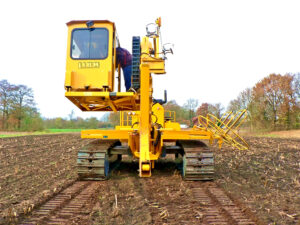
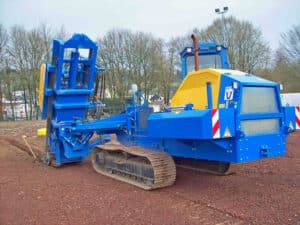


There are several alternative methods for digging trenches, such as excavators or manual labor. The choice of method depends on factors such as project scope, soil characteristics, and efficiency. However, trenchers usually offer a faster and more precise solution.
Yes, the use of trenchers may be subject to certain environmental regulations. The exact regulations may vary depending on the location and type of construction project. Some common environmental requirements may include:
- Protection of Nature Preserves: Special restrictions on trenching may apply near conservation areas to protect the environment and wildlife.
- Water protection: The trench excavation must not cause pollution in the vicinity of water bodies and groundwater sources.
- Disposal of soil material: The removed soil material must be properly disposed of or recycled to minimize environmental impacts.
Important information:
- Environmental requirements may vary by location and construction project.
- Nature reserves must be protected.
- Soil material must be handled in an environmentally sound manner.
Yes, trenchers can also be used in urban areas. There are special models designed for use in confined spaces and near buildings. Nevertheless, any noise restrictions or limitations due to local conditions must be taken into account.
Operating a trencher usually requires some training and experience. It is important to follow the manufacturer’s operating instructions and to familiarize yourself with the specific controls and safety precautions. Proper instruction on the machine is essential to ensure that it is operated efficiently and safely.
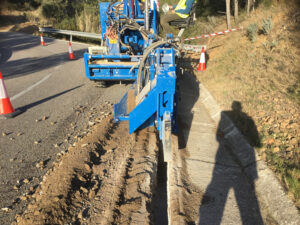
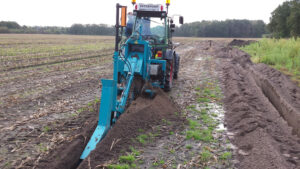
Yes, trenchers are also suitable for digging drainage ditches. They can efficiently loosen the soil and create the necessary depth and width for drainage systems. This is a common application for trenchers.
Yes, some trenchers can be equipped with various attachments and thus be used for other tasks as well. Examples of alternative uses include:
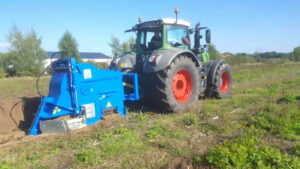
- Soil loosening: The trencher can be used for soil loosening in agricultural areas.
- Asphalt cutters: With special attachments, trenchers can also be used to remove asphalt.
- Landscaping: In landscaping, trenchers can be used in the preparation of the soil.
Important information:
- Trenchers can be used in a variety of ways with different attachments.
- Soil loosening, asphalt milling and landscaping are alternative applications.
In conclusion, the trencher is an extremely useful and versatile construction tool that is indispensable in the construction and road building industry. Through proper selection of the milling machine, environmentally conscious use, proper training of personnel and regular maintenance, construction projects can be carried out efficiently and safely. The trencher thus makes a significant contribution to shortening construction times and improving the quality of trench excavations.
Using a trencher in bad weather depends on several factors, including soil condition. In heavy rain or extremely wet conditions, it can be difficult to dig effectively. It is advisable to take weather conditions into account and make alternative work plans if necessary.
Yes, trenchers are usually available for rent. This is a good option if the machine is only needed for certain projects or for a limited period of time. It is advisable to contact local construction equipment rental companies for information on availability and rental costs.
Choosing the right trencher depends on several factors. Important aspects are:
- Size requirements: Milling width and depth must meet project requirements.
- Soil condition: The type of soil in which the trench is to be excavated influences the selection of the right trencher.
- Working environment: The size and accessibility of the construction site as well as possible obstacles must be taken into account.
Important information:
- The milling width and depth must meet the project requirements.
- The condition of the soil influences the selection of the tiller.
- Consider the work environment, including job site size and accessibility.
To extend the life of a trencher, regular maintenance and care is critical. This includes timely replacement of wear parts, cleaning the machine after use, checking and refilling lubricants, and proper storage when the machine is not in use.
Using a trencher offers several advantages over traditional trenching methods. The main advantages include: – Efficiency: Trenchers can dig trenches quickly and accurately, which significantly reduces construction time. – Precision: Precise control of the milling depth and width allows accurately sized trenches to be created. – Reduced soil compaction: The milling motion minimizes soil compaction, which provides better base stability.
Important information:
- Fast trenching results in shortened construction times.
- Precise control allows accurate dimensions of the trenches.
- Lower soil compaction increases basic stability.
Worauf ist beim Kauf einer Grabenfräse zu achten? Beim Kauf einer Grabenfräse sollten Sie auf drei zentrale Qualitätsmerkmale achten: Motor‑ und Antriebsleistung, Frästiefe & Breite sowie Trägergerät‑Kompatibilität. Weitere Kriterien sind Schneidmesser‑Qualität, Wartungszugänglichkeit und Hersteller‑Service – damit Ihre Grabenfräse zuverlässig im Einsatz bleibt.

Die Wahl einer geeigneten Grabenfräse ist entscheidend für Effizienz und Wirtschaftlichkeit.
- Zuerst muss die Motor‑ und Antriebskraft stimmen: eine starke Leistung garantiert sauberes Fräsen auch in schwierigem Boden (siehe z. B. die Tiefbau‑Modelle).
- Die Frästiefe und Fräsbreite geeignet zu wählen – je nach Projekt (z. B. Tiefbau oder Kabelverlegung) variiert das.
- Drittens sollte geprüft werden, wie gut sich die Grabenfräse auf Ihr Trägergerät – Bagger, Schlepper oder Unimog – montieren lässt.
- Schneidmesser‑ und Kettenqualität – gute Messer arbeiten länger und sauberer.
- Wartung und Ersatzteilversorgung – ein Anbieter mit Erfahrung und umfassendem Service hilft enorm. Zusätzlich lohnt ein Blick auf spezielle Einsatzbereiche, z. B. Kabel‑ oder Rohrverlegung, Drainage oder Tiefbau.
Bei Lingener Baumaschinen GmbH & Co. KG finden Sie eine breite Auswahl und fachkundige Beratung – z. B. zu „Grabenfräsen“, Modellen wie „GM 1 AF“, „GM 450 H“, „GM 600 R“, sowie Mietlösungen. Achten Sie bei Ihrer Auswahl darauf, dass Ihre gewählte Grabenfräse alle relevanten Parameter abdeckt – so holen Sie das Maximum an Leistung und Haltbarkeit heraus.
Interne Linkvorschläge
-
Grabenfräsen – Überblick über Angebot und Einsatzgebiete
-
GM 1 AF – Grabenfräsen zum Anbau – technische Details für Traktor‑Anbaugerät
-
GM 450 H – Grabenfräse für den Tiefbau – Tiefbau‑Modell mit großer Frästiefe
-
GM 600 R – Fräsrad für den Kabelbau – Spezialmaschine für Kabelverlegung
-
Grabenfräse mieten – Mietoptionen für flexible Einsätze
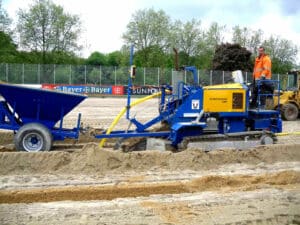
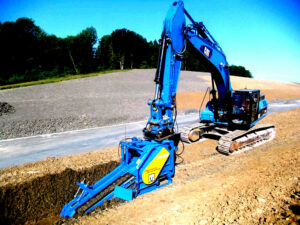
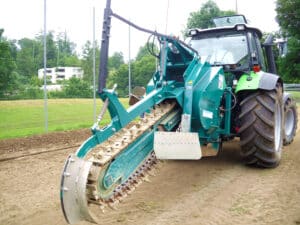
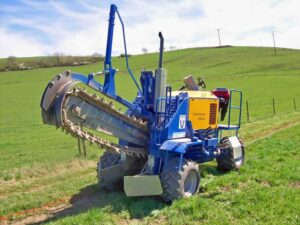
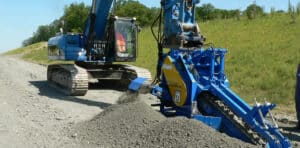
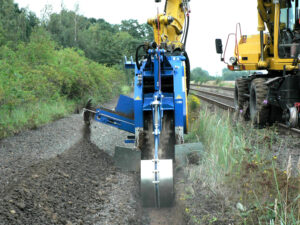
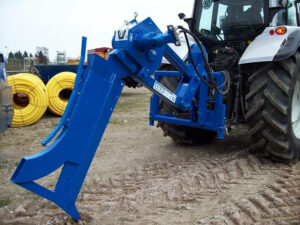
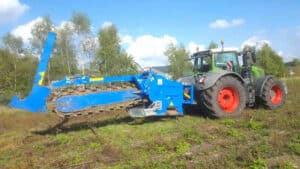
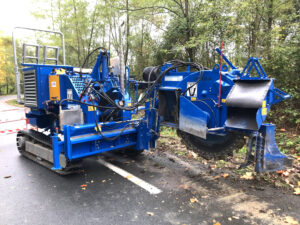
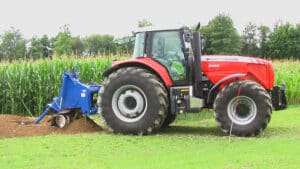
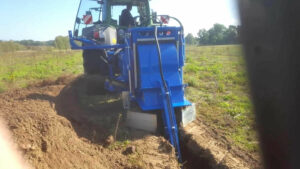
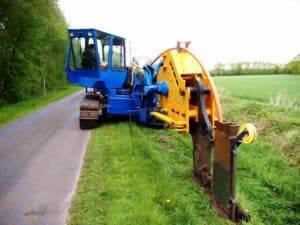
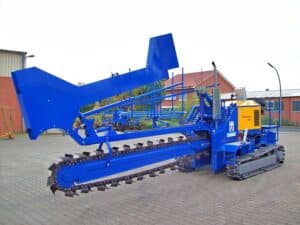
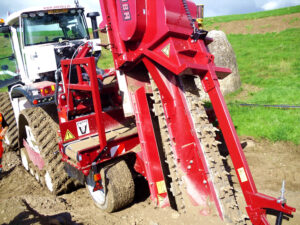
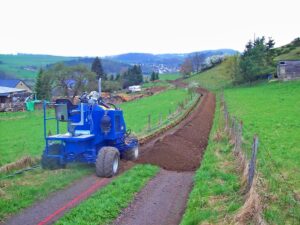
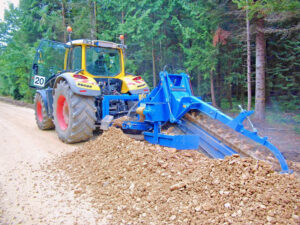
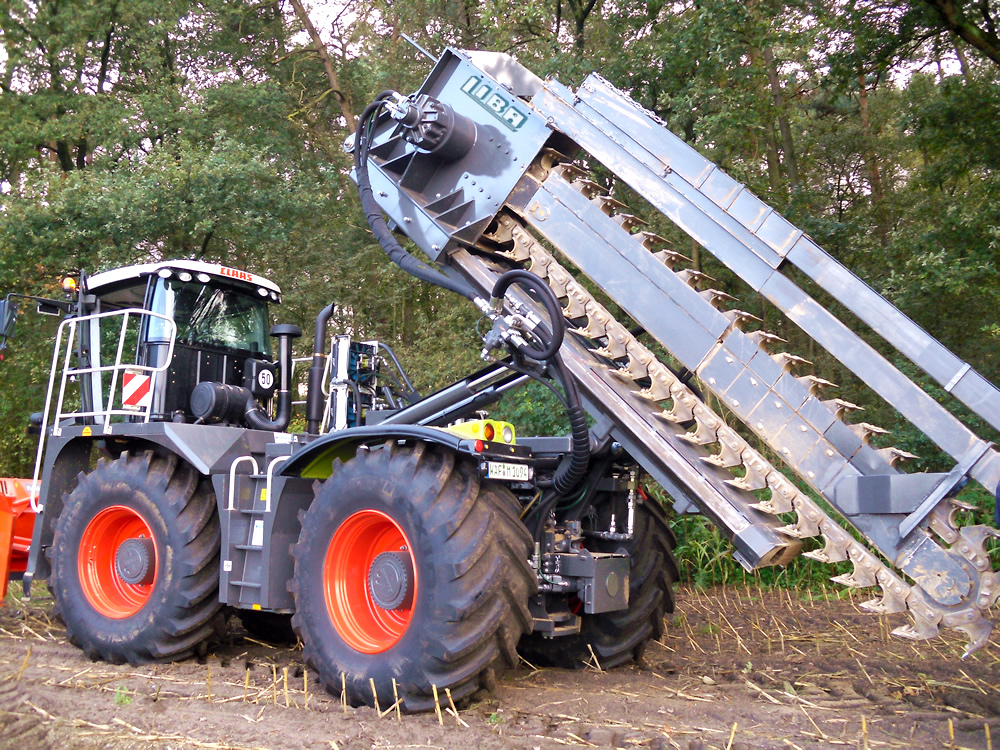
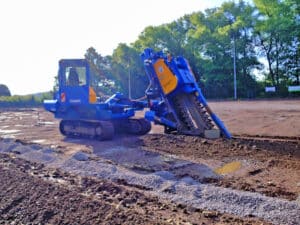
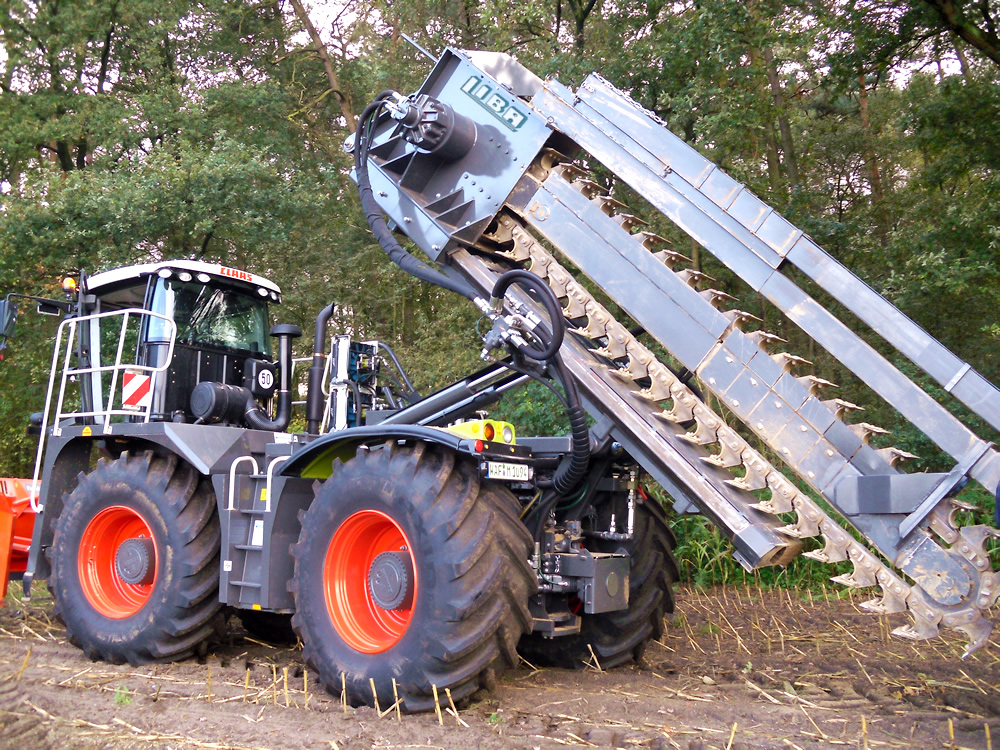
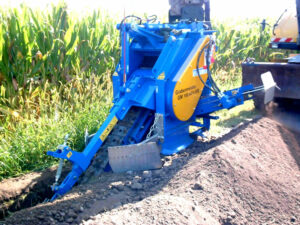
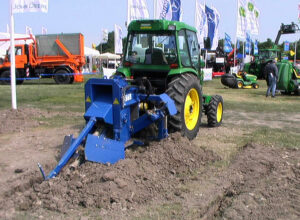
In the construction and road building industry, there are different types of trenchers that can be used depending on the requirements of the project. The most common types include: – Excavator Attachment Cutters: Attach to excavator arms and are versatile. – Wheel cutters: Suitable for use on hard surfaces and in confined areas. – Chain trencher: Suitable for trenching in difficult terrain and uneven ground.
Important information:
- Excavator-mounted milling machines are versatile and are attached to excavator arms.
- Wheel cutters are suitable for hard surfaces and narrow areas.
- Chain tillers are ideal for difficult terrain and uneven surfaces.
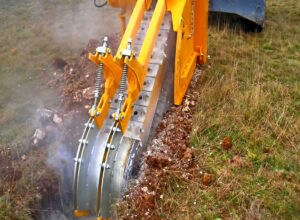
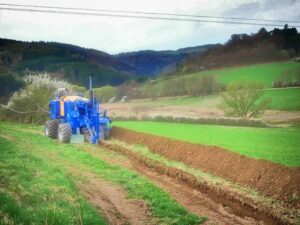
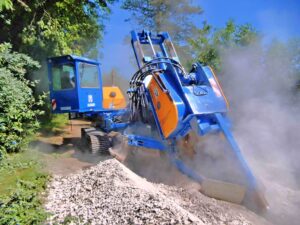
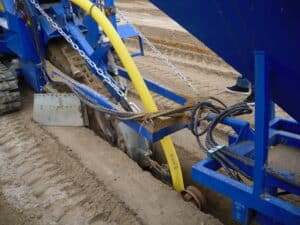
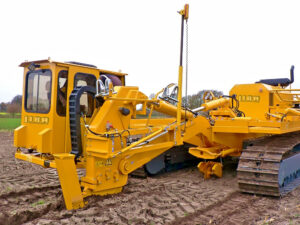
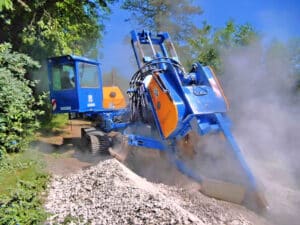
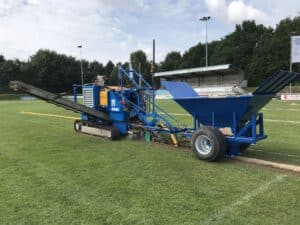
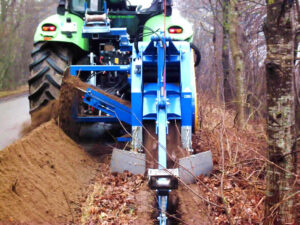
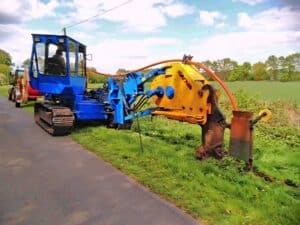
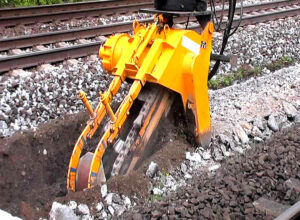
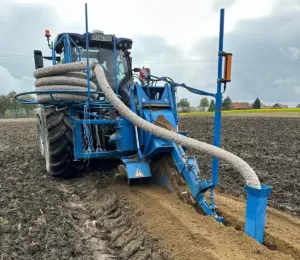
Trencher is a specialized construction equipment used for excavation of trenches in various construction projects. It consists of a rotating milling drum that loosens and excavates the soil. Trenchers are used in the construction and road building industry to dig trenches for cable laying, pipelines, drainage systems and other purposes.
Important information:
- Trenchers are construction equipment that digs trenches for various purposes.
- They have a rotating milling drum to loosen and remove soil.
- Areas of application are cable laying, pipelines and drainage systems.
The fuel consumption of a trencher varies depending on the model and operating conditions. Larger machines with higher power will usually consume more fuel than smaller models. It is important to check the specific manufacturer’s specifications and consider fuel consumption when calculating operating costs.
Regular trencher maintenance is critical to ensure optimal performance and safety. Important maintenance procedures are:
- Daily inspection: Before each use, the milling machine should be checked for damage and wear.
- Lubrication: The moving parts of the milling machine must be lubricated according to the manufacturer’s instructions.
- Filter change: Air and oil filters must be changed regularly to maintain good engine performance.
Important information:
- Daily inspection before each use is important.
- Lubrication of the moving parts is part of the maintenance.
- Filters for air and oil must be changed regularly.
In conclusion, the trencher is a powerful tool in the construction and road building industry that enables efficient digging of trenches. Proper selection of the milling machine, adherence to safety precautions, and regular maintenance are critical to achieving the best results and ensuring the safety of personnel. Using this specialized construction equipment allows construction projects to be completed faster and more accurately, resulting in increased productivity and cost efficiency.
Operator training is critical to operating the trencher safely and efficiently. Important aspects of the training are:
- Technical Understanding: Operators must understand how the trencher works and how to properly control it.
- Safety training: Personnel must be informed about the necessary safety precautions and how to deal with emergency situations.
- Field Experience: Reasonable experience working with construction equipment and in the field is a plus.
Important information:
- Technical understanding of the trencher is important.
- Safety training for the operating personnel is mandatory.
- Experience in the field facilitates the operation of the machine.
Die Sicherheitsvorkehrungen Grabenfräse sind entscheidend, wenn Sie in der Nähe von Versorgungsleitungen arbeiten. Denn dabei besteht ein hohes Risiko für Schäden und Unfälle. Daher sollten Sie die Sicherheitsvorkehrungen Grabenfräse genau beachten und konsequent umsetzen.
Schulung und Einweisung
Die erste Maßnahme der Sicherheitsvorkehrungen Grabenfräse ist die Schulung des Bedienpersonals. Nur gut geschulte Mitarbeiter können die Maschine sicher führen. Sie müssen über die Funktionsweise der Grabenfräse Bescheid wissen und gleichzeitig die Lage von Leitungen kennen. Außerdem sorgt eine klare Einweisung dafür, dass jeder im Team die Sicherheitsregeln versteht und einhält.
Persönliche Schutzausrüstung (PSA)
Ein weiterer wichtiger Punkt der Sicherheitsvorkehrungen Grabenfräse ist das Tragen von PSA. Dazu gehören Schutzbrille, Helm, Gehörschutz und Sicherheitsschuhe. Denn nur so sind Mitarbeiter gegen Splitter, Lärm und Erschütterungen geschützt. PSA hilft auch, Verletzungen zu verhindern, wenn die Fräse in der Nähe empfindlicher Leitungen arbeitet.
Lage der Versorgungsleitungen prüfen
Zu den zentralen Sicherheitsvorkehrungen Grabenfräse gehört die genaue Prüfung der Leitungen vor Beginn der Arbeit. Führen Sie Kartierungen und Vermessungen durch, damit Sie wissen, wo Kabel oder Rohre verlaufen. Dadurch vermeiden Sie Beschädigungen und gefährliche Situationen. Zusätzlich können Sie Markierungen im Boden anbringen, sodass der Maschinenführer jederzeit die Leitungen erkennt.
Arbeitsbereich absichern
Ein weiterer wichtiger Schritt der Sicherheitsvorkehrungen Grabenfräse ist die Absicherung des Arbeitsbereichs. Halten Sie Sicherheitsabstände zu Leitungen und zu Personen ein. Dadurch wird das Risiko von Unfällen minimiert. Zusätzlich sollten Hinweisschilder und Absperrungen aufgestellt werden, damit unbeteiligte Personen den Gefahrenbereich meiden.
Kontrolle der Grabenfräse vor Einsatz
Vor dem Fräsen müssen Sie die Maschine kontrollieren. Prüfen Sie alle Schutzvorrichtungen, Steuerungen und Not-Aus-Schalter. Diese Maßnahmen sind Teil der Sicherheitsvorkehrungen Grabenfräse, weil sie sowohl die Maschine als auch die Leitungen schützen.
Langsame und kontrollierte Arbeitsweise
Die Sicherheitsvorkehrungen Grabenfräse erfordern außerdem, dass die Maschine langsam und kontrolliert geführt wird. Bei abruptem Fräsen steigt das Risiko, Leitungen zu beschädigen. Durch gleichmäßige Bewegung können Sie schnell auf Hindernisse reagieren und die Arbeit sicher abschließen.
Dokumentation und Kommunikation
Zu den Sicherheitsvorkehrungen Grabenfräse gehört auch die klare Dokumentation des Grabens. Notieren Sie die Tiefe, den Verlauf und mögliche Besonderheiten. Zudem sollte das Team ständig kommunizieren. So wissen alle über Risiken Bescheid und können sofort handeln, wenn Probleme auftreten.
Nach dem Fräsen: Kontrolle & Wartung
Nach Abschluss der Arbeiten sollten Sie Leitungen und Gräben erneut prüfen. Gleichzeitig ist die Wartung der Fräse Pflicht, damit die Sicherheitsvorkehrungen Grabenfräse weiterhin greifen und zukünftige Einsätze sicher bleiben. (lingener-baumaschinen.de)
Linkvorschläge:
Operating a trencher requires strict adherence to safety precautions to prevent accidents. Important safety measures include:
- Operator training: The machine operator must receive thorough training in the operation of the trencher.
- Personal protective equipment: Wearing a safety helmet, safety goggles, gloves and sturdy shoes is mandatory.
- Safety distances: Persons should stay at an appropriate distance from the milling drum during operation.
Important information:
- The operating personnel must receive appropriate training.
- Personal protective equipment is required during operation.
- Safety distances to persons must be maintained.
